




Rubber/Bungee Tarp Straps




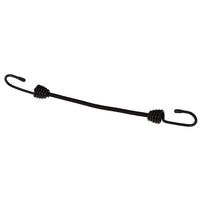

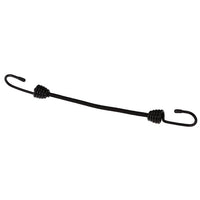

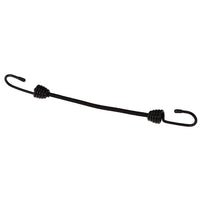

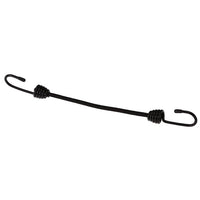
Bungee Cord Tie Downs

For quick and convenient light-duty cargo securement, bungee cords are a simple and effective solution. Whether you're covering materials, organizing gear, or stabilizing smaller loads, elastic tie-downs provide the flexibility and tension needed to get the job done efficiently.
Our selection includes both bungee cords with hooks and ball bungee cords, giving you options for different applications and connection points. These versatile tools are commonly used across construction, transportation, warehousing, and everyday tasks.
Built for durability, bungee cords combine stretch and strength to keep items in place while allowing movement without losing tension. Their elastic design helps absorb shock during transit, reducing strain on your cargo and anchor points.
What Is a Bungee Cord?
A bungee cord, sometimes referred to as a shock cord or elastic strap, is a stretchable tie-down made with a rubber core and a protective outer covering. This design allows the cord to maintain steady tension, even when loads shift slightly during use.
We offer multiple styles to match different securement needs.
Bungee Cords with Hooks
Hook-end bungee cords are one of the most commonly used styles due to their ease of use and versatility. The hooks attach quickly to a wide range of anchor points, including trailer rails, tarp grommets, roof racks, and truck beds.
Ball Bungee Cords
Ball bungees feature a loop-and-ball design that allows the cord to wrap around an object and secure back onto itself. This makes them especially useful when hooks are not ideal.
They are a great option for:
- Securing tarps without scratching surfaces
- Bundling cords, hoses, or materials
- Creating quick tie-offs for lightweight items
Because they do not rely on metal hooks, they are often preferred for more delicate applications.
Materials and Construction
Bungee cords are made with a core of elastic rubber strands surrounded by a durable outer jacket, typically constructed from synthetic materials like polypropylene or polyester. This outer layer helps protect against abrasion, moisture, and UV exposure.
Hook-end cords often include coated metal hooks to help reduce surface damage, while ball bungees use molded end hardware for repeated use.
Replacement hooks are also available if needed.
Common Uses for Bungee Cords
Bungee cords are widely used across job sites, vehicles, and storage environments. Their flexibility makes them useful for both temporary and repeat applications.
Typical uses include:
- Securing tarps over equipment or materials
- Bundling tools, hoses, or supplies
- Stabilizing light cargo in trucks or trailers
- Organizing items in moving vans or storage areas
- Holding ladders, coolers, or jobsite gear in place
- Garage, shop, and warehouse organization
- Keeping lids or covers secured
While bungee cords work well for light to medium-duty tasks, they should not be used as a substitute for ratchet straps or other tie-downs when securing heavy or regulated loads.
Choosing the Right Bungee Cord
1. Consider the Application
Use lighter cords for basic bundling or tarp tie-downs. For more demanding conditions, choose a thicker, heavy-duty option.
2. Check the Length
Select a cord length that closely matches the distance between anchor points. This allows for proper stretch without overextending the cord.

Frequently Asked Questions
Q: What are bungee cords used for?
A: Bungee cords are commonly used to secure lightweight cargo, hold tarps in place, bundle materials, and provide flexible tension during transport.
Q: Are there other names for bungee cords?
A: Yes, they are also known as elastic cords, shock cords, or stretch tie-downs.
Q: Can bungee cords break?
A: Yes, especially if overstretched or exposed to prolonged UV damage. Always inspect cords before use and avoid exceeding their intended limits.
Q: Are bungee cords suitable for trailer loads?
A: They are best for light-duty stabilization. For heavier loads, use ratchet straps or other heavy-duty securement equipment.
Q: How much can a bungee cord stretch?
A: Most cords can safely stretch to about 1.5 times their original length. Stretching beyond that can damage the internal core.
Q: Do bungee cords wear out?
A: Yes, repeated use and environmental exposure can reduce elasticity over time. Replace cords that show signs of wear.
Q: What size should I choose?
A: Choose a length that fits your application with moderate stretch. Heavier jobs may require thicker cords.
Q: How are bungee cords measured?
A: Bungee cords are measured from end to end when laid flat in their relaxed state. Sizes typically range from 6 inches to 48 inches.
Safety Notice
Use caution when stretching bungee cords. Keep your face and body clear of the cord’s rebound path during use.
Further Questions About These Products?
Need help finding the right product? Our Product Experts can guide you. Call (888) 794-1590 or email customerservice@fastenersplus.com today.

FAST SHIPPING, EXPERT SERVICE.
FIND IT FAST. GET IT FAST.
We stock thousands of connectors, fasteners, and more & ship fast to keep your project moving. Need assistance? Contact our experts today.